Kween Residents Call for Stronger Action Against FGM and Protection of Persons with Disabilities’ Rights.
Residents of Tukumo Parish in Binyiny Sub-county, Kween District, have called for intensified efforts to eliminate Female Genital Mutilation (FGM) and strengthen the protection, inclusion and rights of Persons with…
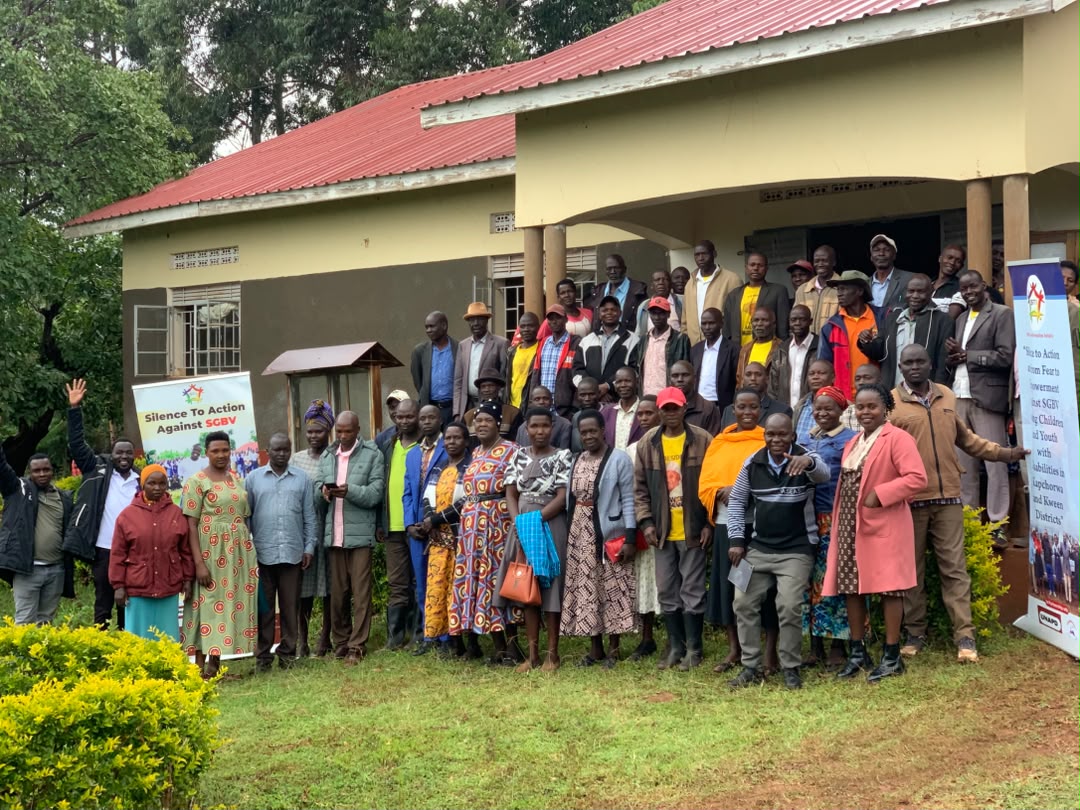
Residents of Tukumo Parish in Binyiny Sub-county, Kween District, have called for intensified efforts to eliminate Female Genital Mutilation (FGM) and strengthen the protection, inclusion and rights of Persons with Disabilities (PWDs), while also raising concerns over the implementation of the Parish Development Model (PDM).
The concerns were raised during a community baraza organised by the Sabiny Transformation Initiative (STI) at Binyiny Sub-county, bringing together community members, local leaders from Local Council I to Local Council III, and the sub-county technical team to discuss challenges affecting service delivery and community development.
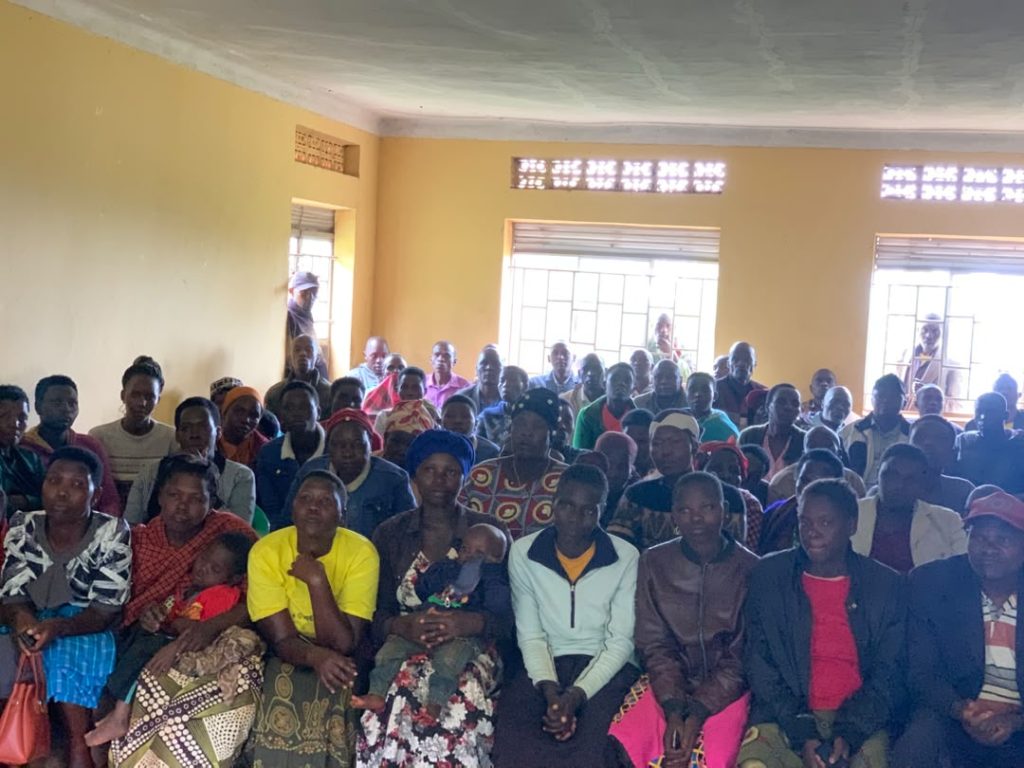
Speaking during the engagement, Priscilla Kusuro, the Executive Director of Sabiny Transformation Initiative (STI), expressed concern over what she described as declining community participation in development activities, particularly road maintenance.
Kusuro recalled that in the past, communities actively participated in communal work, using traditional drums to mobilise residents to work together on repairing and maintaining roads. She said this culture of collective responsibility had gradually disappeared, with communities increasingly depending on local government to address even minor infrastructure challenges.
She further expressed concern over the poor state of roads in Kween District, noting that inadequate road infrastructure continues to affect transportation, access to services and economic activities. Kusuro also challenged community leaders to become more active in mobilising residents and addressing local challenges, questioning the effectiveness of leadership when leaders fail to take responsibility for community development.
She raised concern about excessive alcohol consumption among some community members, particularly those who reportedly begin drinking in the morning instead of engaging in productive activities. She further highlighted the continued need to address Female Genital Mutilation (FGM), urging residents to abandon the harmful cultural practice and protect girls and women from its consequences.
On his part, Binyiny Sub-county Chairperson Wilson Cherop welcomed the community dialogue, saying it provided an opportunity for residents to reflect on harmful cultural practices and promote social inclusion.Cherop said the community had made progress in the fight against FGM, noting that residents had increasingly accepted the need to abandon the practice.
He urged community members to maintain their commitment to ending FGM and protect girls from undergoing the harmful traditional practice.“We have reached a point where community members are accepting that FGM is a harmful practice that must stop. We need to continue working together to ensure that our girls are protected,” Cherop said.
He also addressed the challenges faced by Persons with Disabilities, calling on residents to change negative attitudes and perceptions that contribute to their discrimination and exclusion. Cherop emphasised that PWDs deserve equal treatment, respect and opportunities within their communities, adding that disability should not be a reason for denying anyone their rights.
“Through this Baraza, we want our community to understand that persons with disabilities are also important members of society. We must treat them equally and give them the respect they deserve,” he said. He further called for increased investment in education, urging parents and community leaders to prioritise the education of children as a foundation for sustainable livelihood”
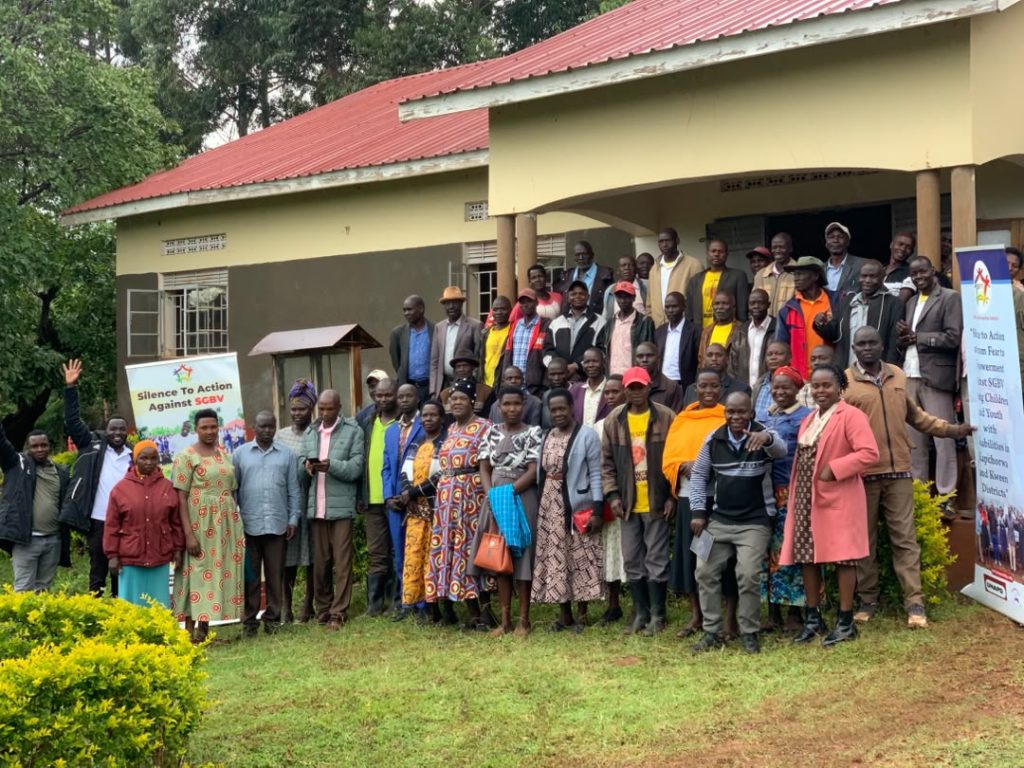
Meanwhile, Cheptoek Beatrice, an STI champion and resident of Tukumo in Binyiny Sub-county, shared her personal experience with Female Genital Mutilation (FGM), recounting the pain and suffering she endured after being subjected to the harmful practice.
Beatrice described the experience as deeply painful, saying the memories of her suffering remain a reminder of the devastating effects of FGM. Drawing from her experience, she urged community members to intensify efforts to protect young girls from the practice and raise awareness about its physical and emotional consequences.
The Baraza also offered residents a platform to express concerns over the implementation of the Parish Development Model (PDM), a government initiative aimed at improving household income and transitioning communities from subsistence to money economy. Residents emphasised the need for transparency, accountability and effective leadership to ensure that the programme benefits its intended beneficiaries.The engagement highlighted the importance of collaboration among local leaders, technical officials and community members in addressing development challenges in Binyiny Sub-county.
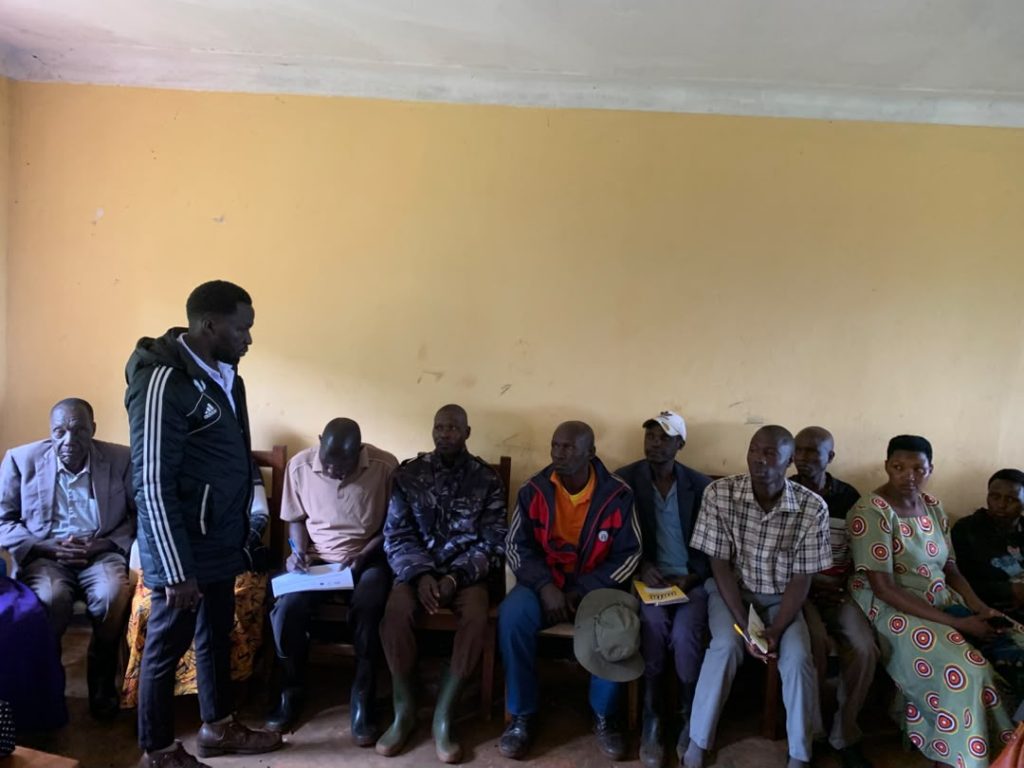
Through the dialogue, Sabiny Transformation Initiative (STI) reaffirmed its commitment to promoting community participation, protecting human rights, eliminating harmful cultural practices and strengthening the inclusion of vulnerable groups, particularly women, girls and Persons with Disabilities (PWDs), in development processes.
Support Our Work.
Your gift keeps girls in school, empowers women, and ends harmful practices across the Sebei Sub-region.