Our Approach.
We mobilise individuals to harness power within, enhance collective action in power with others, and build power to get harmful practices outlawed and denounced in Sebei communities.
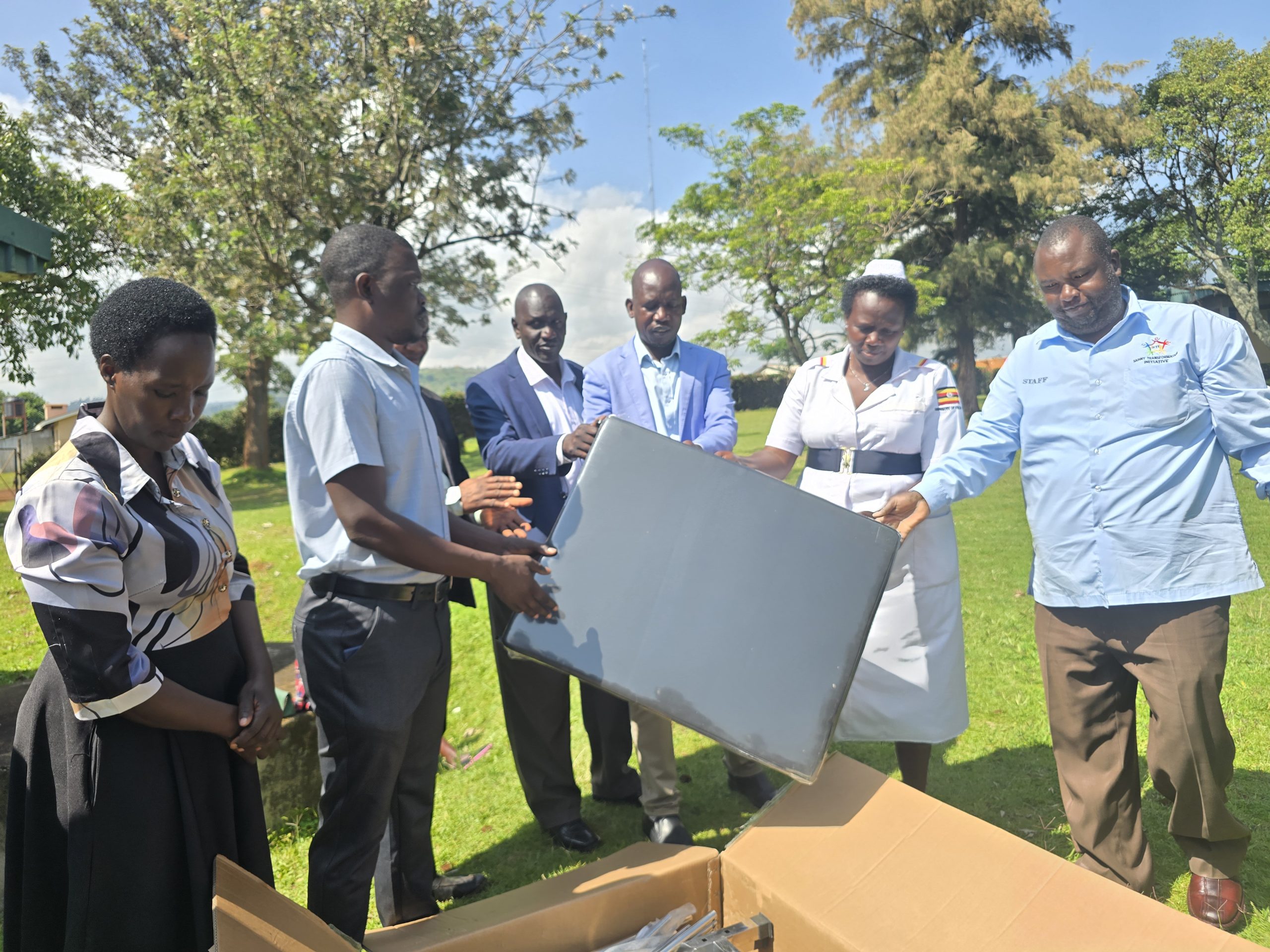
Transforming Power
In our approach, we mobilise individuals to harness power within, others to enhance collective action in power with others, and power to get the vice outlawed and denounced in Sebei communities. We integrate strong and participatory power analysis into our interventions to understand the different dimensions of power, collectively agree on how to transform it, make power more visible, and challenge the injustices that come with it.
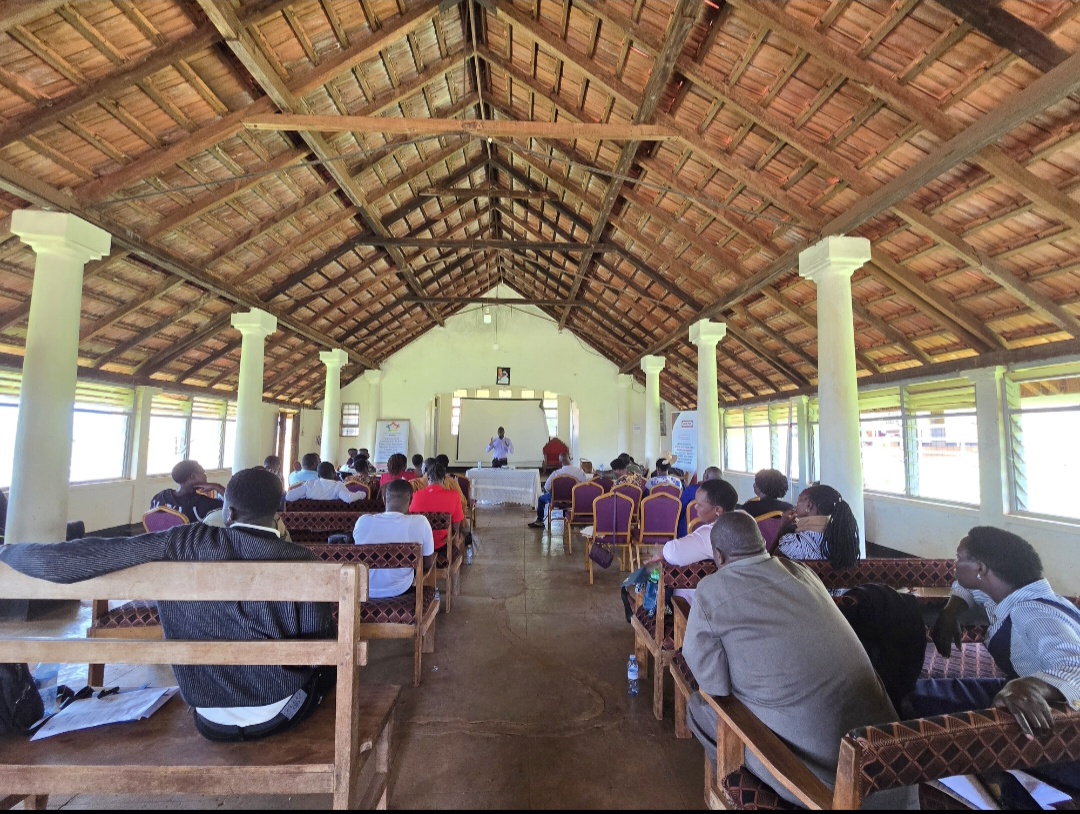
The Human Rights Based Approach
A human rights-based approach defines our way of working. We build on the progress made during the last strategy period, deepening understanding among staff, partners, and beneficiaries that ending poverty and injustice can only happen if the rights of the poor and marginalized are protected, promoted, and fulfilled — recognizing that they hold these rights by virtue of being human.
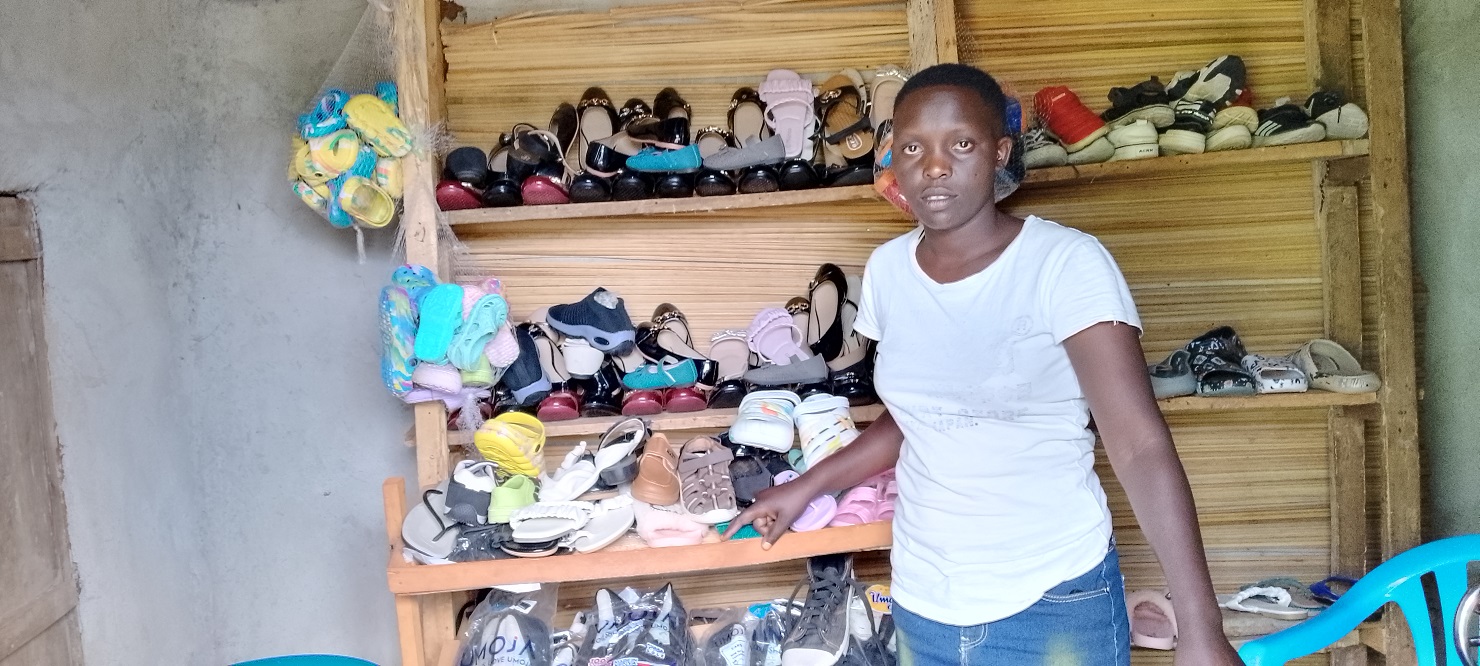
Promoting Rights of Women and Girls
We champion the rights of women and girls in all we do, recognizing that gender is a universal predictor of poverty and that the underlying causes of poverty and injustice are gendered. Women and girls suffer inequalities in access to and control of productive resources and in political participation, and are more vulnerable in emergencies and conflicts. They shoulder the burden of care and support at household and community level, and their sexual and reproductive health rights are violated due to power imbalances. Yet we have also seen the powerful transformative effects of advancing women and girls' rights.
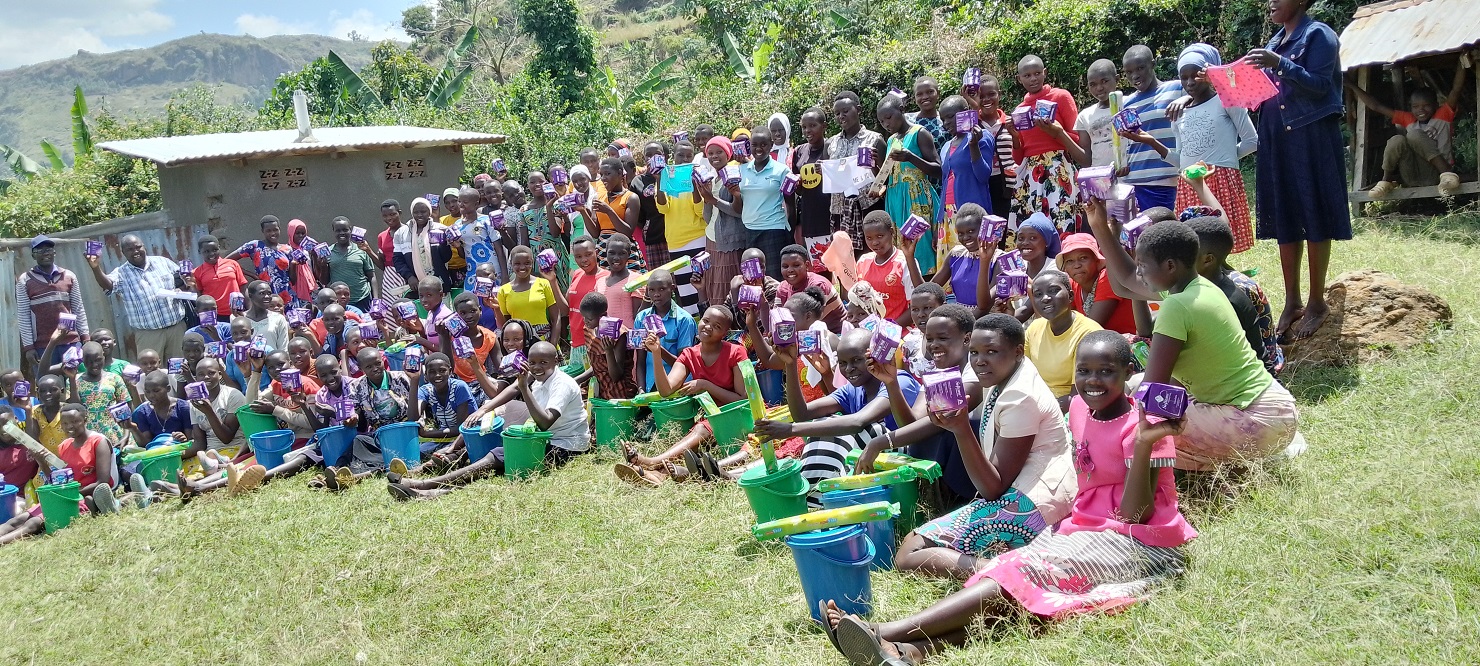
Building Solidarity for Effective Advocacy
Addressing the structural causes of poverty and injustice requires engaging those who hold the power to decide, wherever they are located. We move beyond the Sebei Sub-region to link our work with peoples, groups, and movements — amplifying the voices of the poor and increasing the pressure for change. Our role is to strengthen the capacity of women and girls and help them build solidarity with other groups, alliances, and movements beyond their locality: building an evidence base, creating awareness of their conditions, mobilising them to challenge all forms of injustice, and building resilience.
Build Evidence for Advocacy
Respect, promotion, and enforcement of human rights can only be achieved and sustained when those whose rights are denied are at the forefront of holding duty-bearers accountable. STI has learnt that evidence-based advocacy gives it the legitimacy to engage, relate, and demand accountability. This focuses on all service delivery areas — health, education, infrastructure, water, livelihoods, and community empowerment projects such as UWEP, YLP, and Economic Empowerment Initiatives.
Power With, Power Within, Power to Change
Partner with STI to transform power and advance the rights of women and girls across the Sebei Sub-region.