Uganda, Kenya Authorities Call for Stronger Cross-Border Action Against FGM
BUKWO — Authorities from Uganda and Kenya have called for stronger cross-border cooperation and referral mechanisms to curb Female Genital Mutilation (FGM), which continues to threaten girls in communities along…
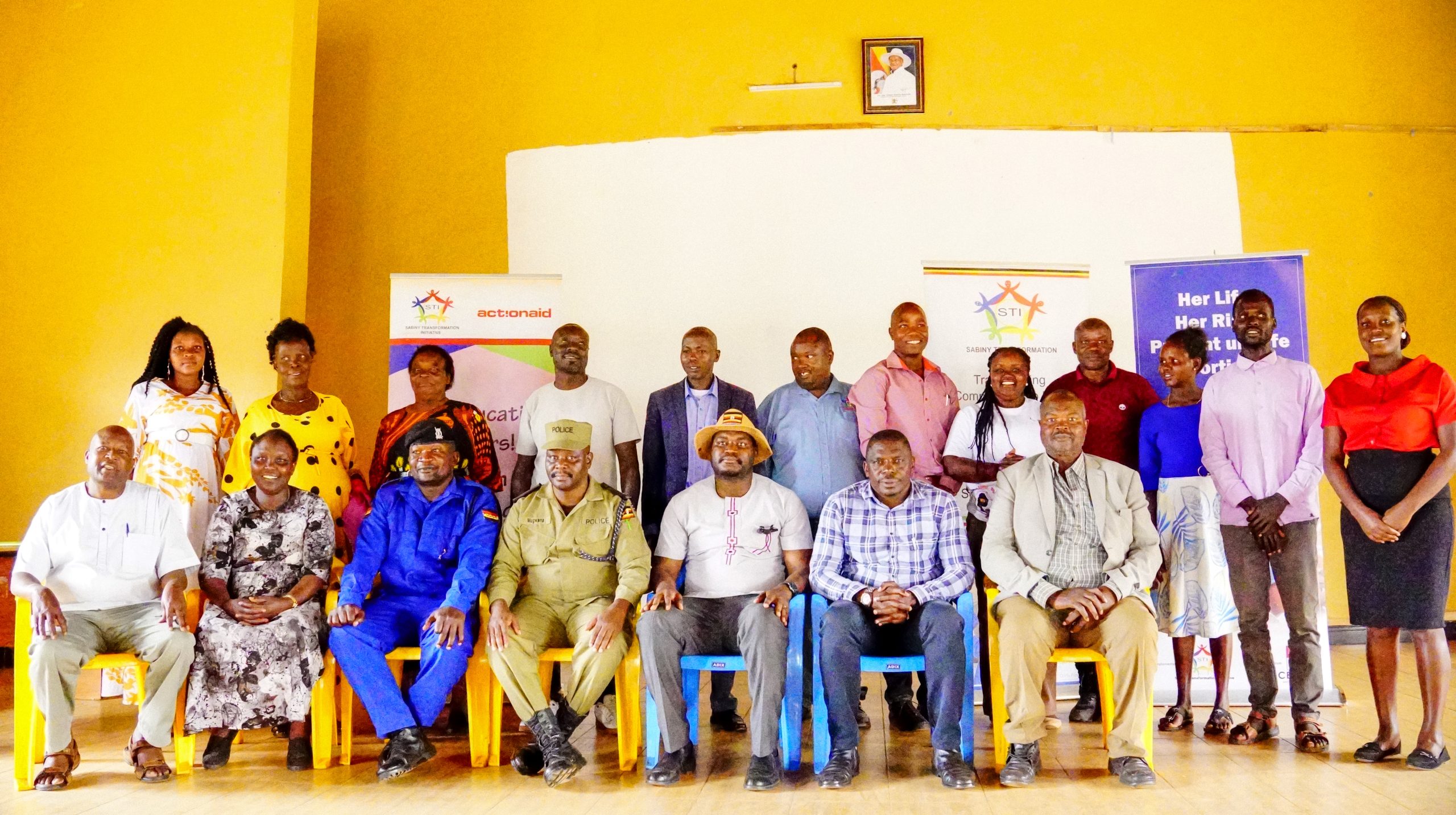
BUKWO — Authorities from Uganda and Kenya have called for stronger cross-border cooperation and referral mechanisms to curb Female Genital Mutilation (FGM), which continues to threaten girls in communities along the Uganda-Kenya border. The call was made Wednesday during a high-level judicial dialogue held in Bukwo to strengthen coordination among border authorities and other stakeholders in the fight against cross-border FGM.
The dialogue, organized by Sabiny Transformation Initiative (STI), brought together representatives from Kenya, Bukwo, Kween, Kapchorwa and Amudat, alongside local government leaders, security officials and the Sapiiny Cultural Institution.
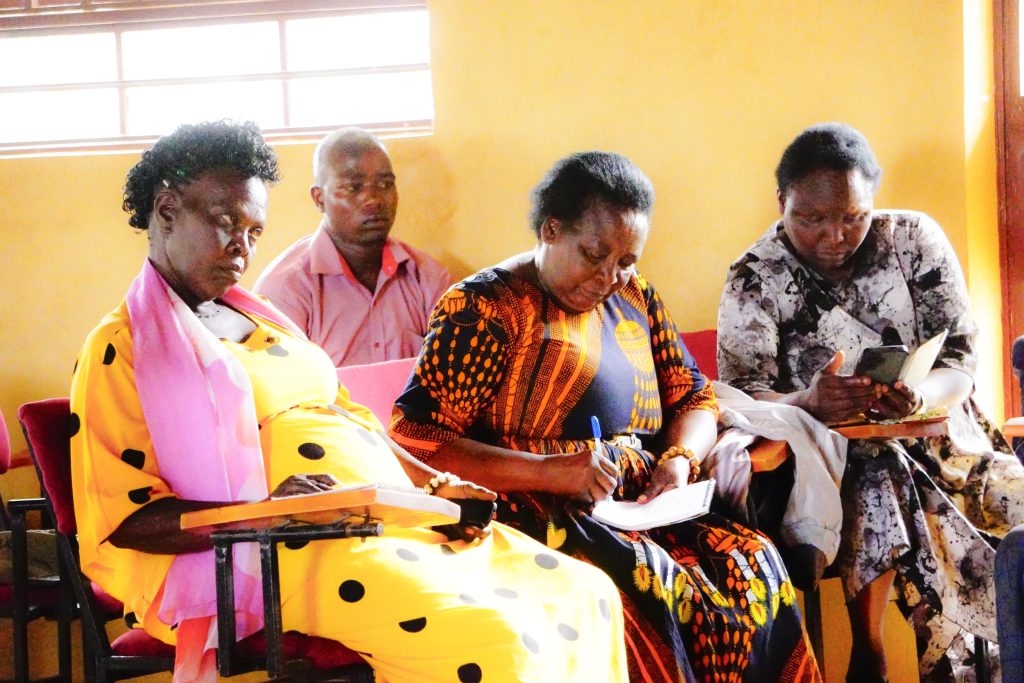
Amudat DCDO Lotuw Joseph Pempee identified cross-border engagements, difficulties in tracking girls at risk of FGM and secrecy surrounding cases as some of the major challenges undermining efforts to eliminate the practice.He recommended strengthening referral pathways between communities, health facilities, police, courts and other protection actors to ensure cases are promptly reported and followed up.
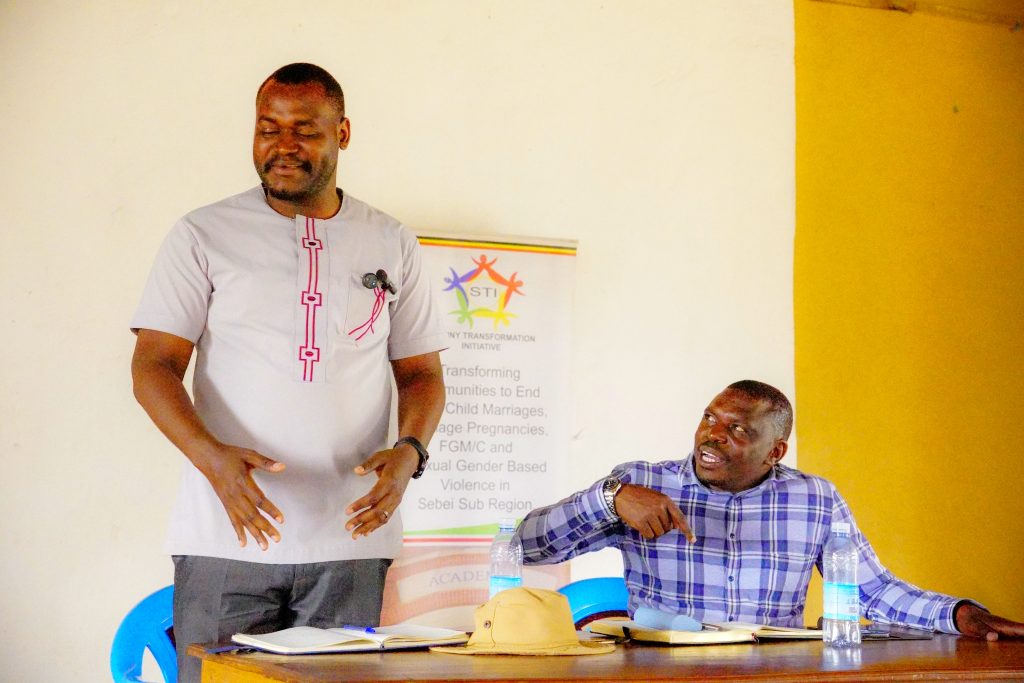
Amudat RDC Okori Denis warned that informal negotiations and secrecy around FGM cases continue to shield perpetrators and undermine access to justice.
Bukwo RDC George Owanyi welcomed the timing of the dialogue, noting that it came during a circumcision year when girls are particularly vulnerable to FGM. He also welcomed the decline in FGM prevalence reported in recent Uganda Bureau of Statistics figures, saying the progress demonstrated that collective interventions were yielding results.
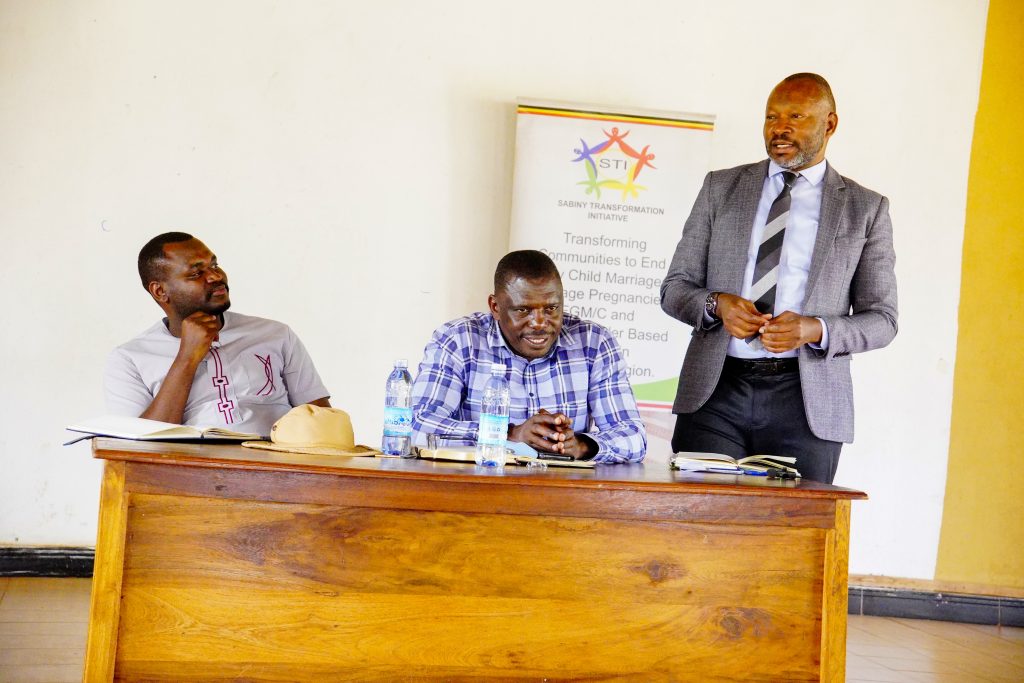
According to the figures presented at the meeting, FGM prevalence in Kapchorwa declined from 13 percent to 9 percent, Kween from 21 percent to 20 percent, while Bukwo registered a decline from 27 percent to 26 percent. He called on all stakeholders to work together to completely eradicate FGM from the region.
Bukwo LCV Chairperson Tom Chesol called on the government to fully gazette the Sapiiny Cultural Institution, saying formal recognition would enable the institution to effectively use its potential in addressing FGM and other forms of abuse against girls and women. He pledged his full support towards efforts aimed at protecting girls and women from FGM.
Speaking on behalf of Action Aid International, Samuel Ononge (coordinator Amudat) reaffirmed the organization’s commitment to addressing harmful practices and promoting the rights of adolescent girls and women in Sebei and parts of Karamoja. He said Action Aid interventions had extended to FGM hotspot communities, with efforts focused on ensuring enforcement of the 2010 Anti-FGM Act.
Samuel also acknowledged the role played by the Sapiiny Cultural Institution in contributing to the decline of FGM in Sebei.
Meanwhile, the International Federation of Women Lawyers (FIDA) Kapchorwa reaffirmed its commitment to fighting FGM through advocacy, public enlightenment and legal intervention.
FIDA Kapchorwa Legal Officer Elizabeth Asaro said the organization is particularly focused on ensuring that FGM cases move through the justice system and that perpetrators are prosecuted, especially in rural communities where access to justice remains a challenge.
From the Kenyan side, DPC West Pokot, Timothy Kaburo Notee emphasized that ending cross-border FGM requires sustained cooperation between Uganda and Kenya, stronger community surveillance and effective referral systems that can identify girls at risk and connect them to protection services before they are subjected to the practice.
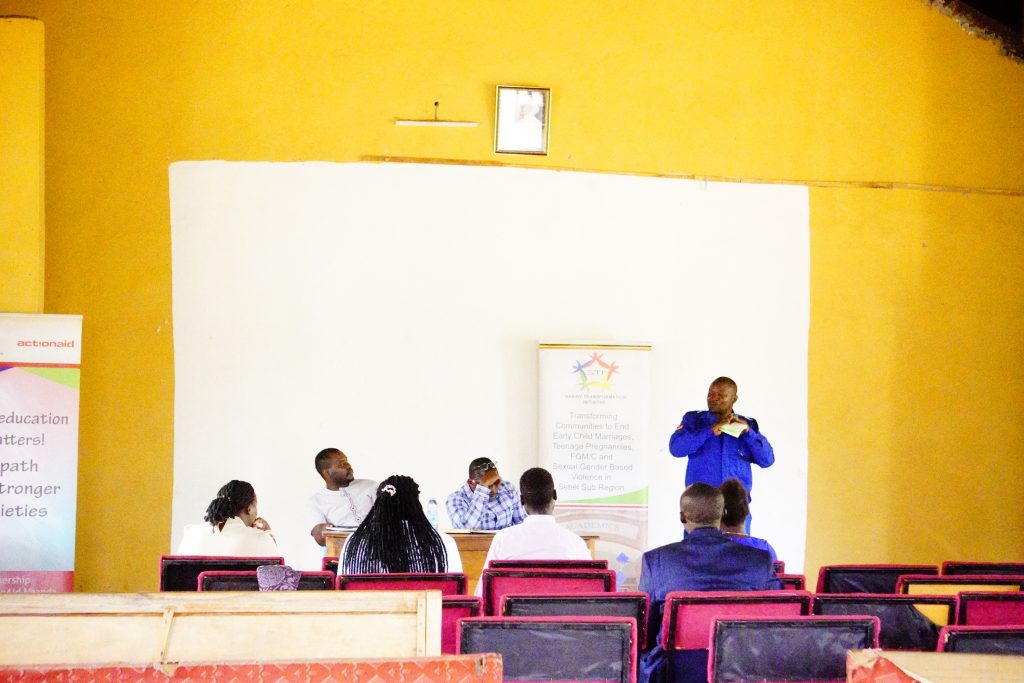
He further underscored the need to end secrecy and informal negotiations around FGM cases, with stakeholders stressing that perpetrators must be held accountable under the law.
On behalf of the Sapiiny Cultural Institution, Ngirio Samuel (Speaker) revealed that the institution plans to launch the Sabiny Women Alternative Rite of Passage (SWAROP) as a culturally acceptable alternative to Female Genital Mutilation (FGM), while also empowering individuals who have traditionally depended on the practice for their livelihoods.
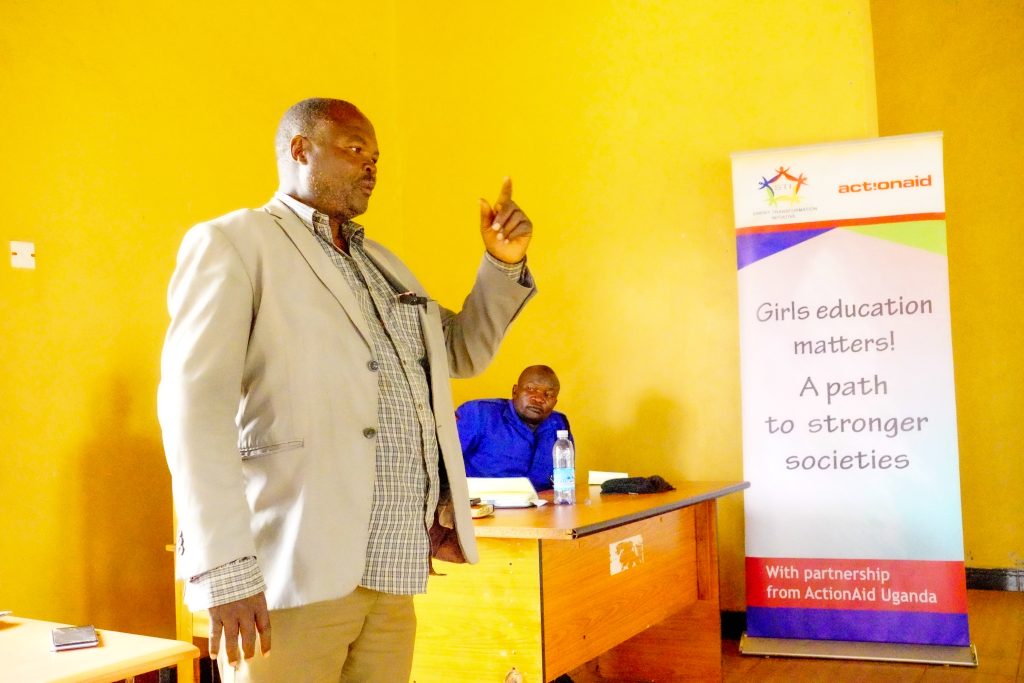
Participants called for continued engagement of cultural institutions, local leaders, law enforcement agencies, courts, civil society organizations and communities to ensure that the decline in FGM recorded in the region is sustained and eventually brought to zero.
Support Our Work.
Your gift keeps girls in school, empowers women, and ends harmful practices across the Sebei Sub-region.