STI, Partners Donate Adjustable Delivery Beds to Strengthen Inclusive Maternity Care in Kapchorwa
Sabiny Transformation Initiative (STI) on Monday June 30, donated two adjustable delivery beds valued at Shs 2.4M to Kapchorwa General hospital and Ngangatta HCIII respectively to support youths, women and…
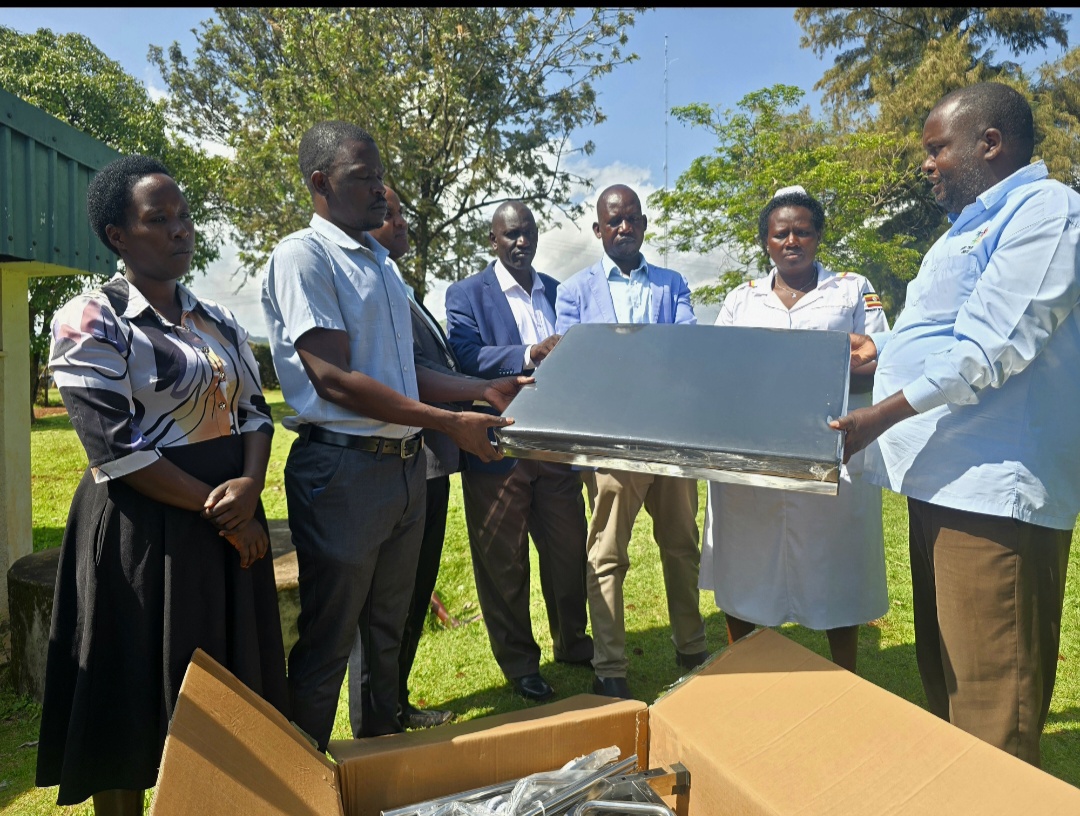
Sabiny Transformation Initiative (STI) on Monday June 30, donated two adjustable delivery beds valued at Shs 2.4M to Kapchorwa General hospital and Ngangatta HCIII respectively to support youths, women and mothers with disabilities and special needs to have efficient deliveries.
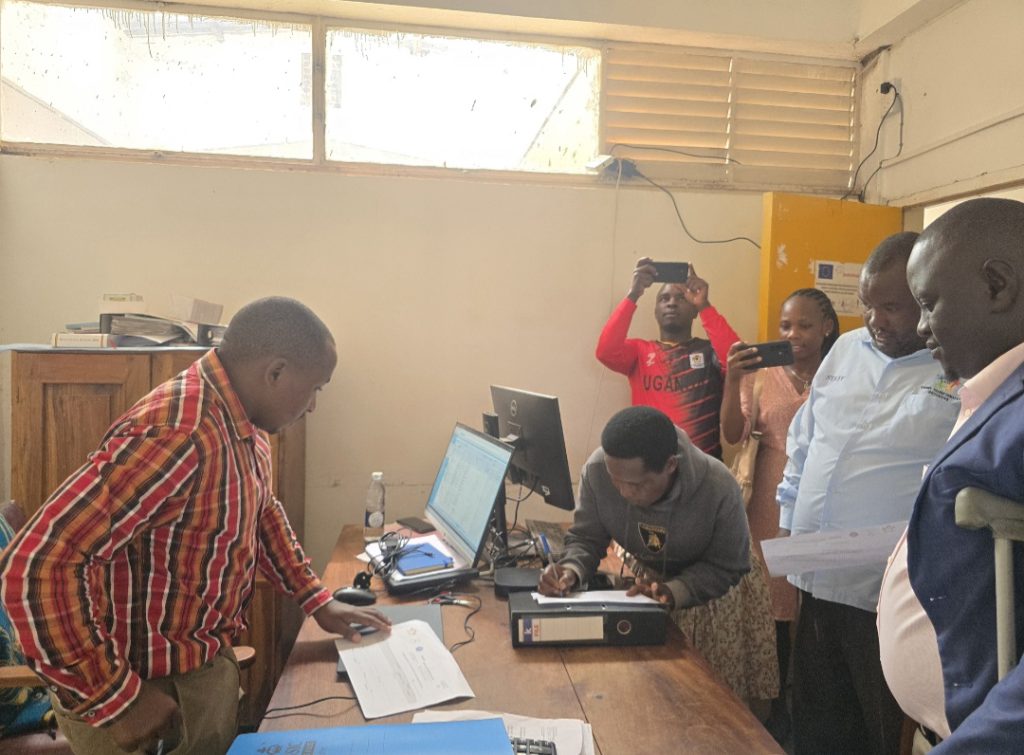
Speaking during the handover ceremony at Kapchorwa hospital premises, STI’s program coordinator Festo Majinjach said they got the equipment through their partners Liliane Fonds, and Uganda National Action on Physical Disability since mothers with disabilities would face challenges during delivery.
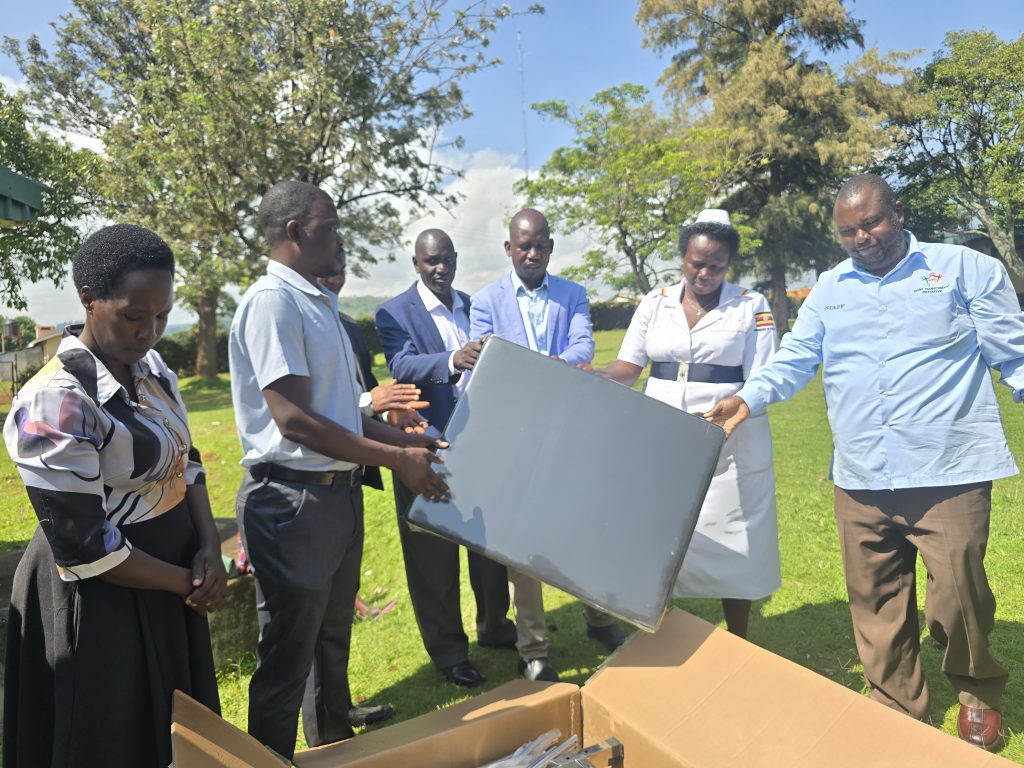
“Today, we are handing over a hospital bed; a bed that is adjustable and can help persons with disabilities to give birth here at the hospital because it’s one of the needs that they had and requested for,” he said adding that “it is part of promoting reasonable accommodation and promoting the rights of children and youth with disabilities.”
While receiving the donation, the Principal Acting Chief Administrative Officer Kapchorwa, David Chesang, appreciated Sabiny Transformation Initiative for identifying the need in reproductive health and yielding fruitful results since the adjustable delivery bed will now ease birth of babies by youths and mothers with disabilities.
He said “we are grateful for this very important gesture of an adjustable delivery bed and we believe our youth, women and mothers who live with disability will now give birth with confidence and with no more discrimination in our facilities”
PACAO Chesang welcomed the support and appealed to the hospital management to maintain the equipment in good operational condition.
Majinjach said the donation was made possible through funding from Liliane Fonds in partnership with Uganda National Action on Physical Disability (UNAPD), Sabiny Transformation Initiative (STI), Integrated Disabled Women Activities (IDIWA) in Iganga, Katelemwa Cheshire Home for Rehabilitation services.
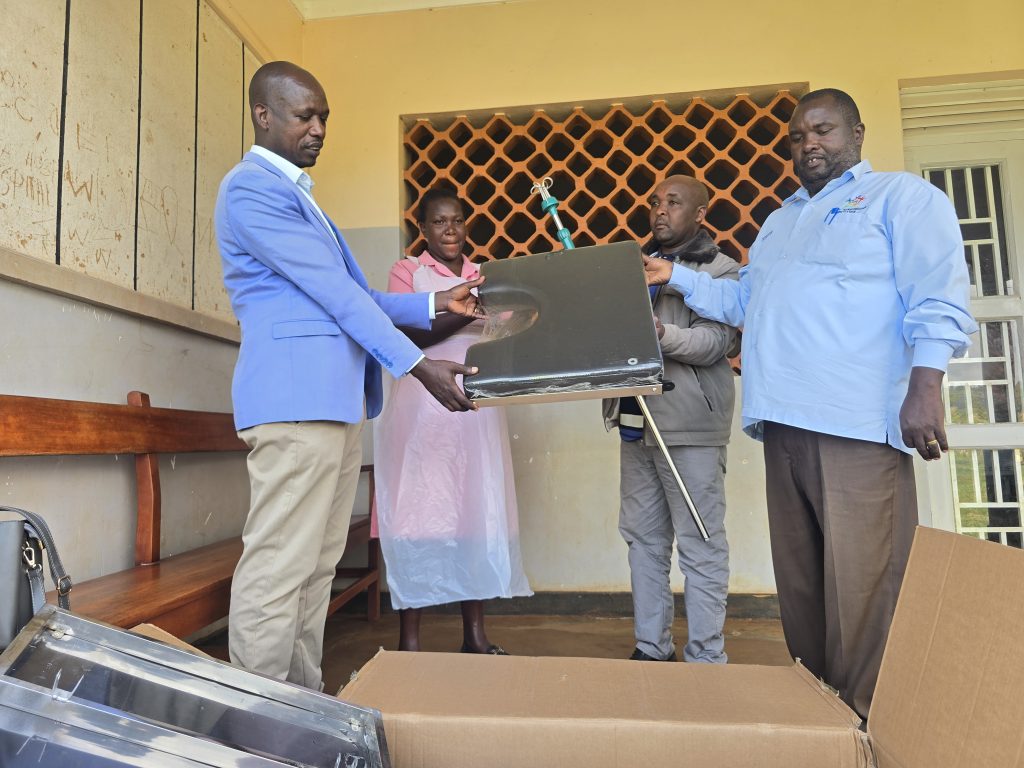
For many women and girls with disabilities, conventional maternity delivery beds are not designed to meet their physical needs, often making labour and childbirth unsafe, uncomfortable, and undignified. The adjustable delivery beds are intended to bridge this gap by providing safer, more accessible, and dignified maternal healthcare services.
While at Ngangata Health Centre III, Festo said the donation is part of the three-year project, “From Silence to Action and from Fear to Empowerment against SGBV among Children and Youth with Disabilities in Eastern Uganda,” which seeks to promote the rights, protection, and inclusion of children and young people with disabilities.
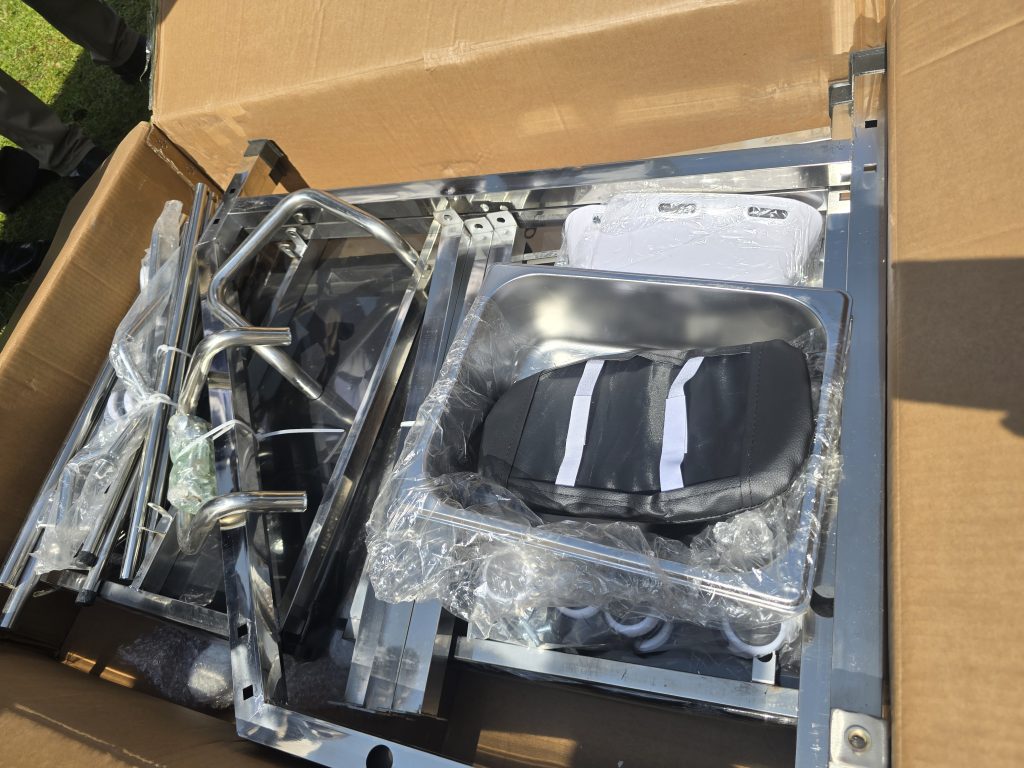
“We are here today with PACAO as part of complementing government efforts. For many women and girls with disabilities, conventional maternity delivery beds are not designed to meet their physical needs, often making labour and childbirth unsafe, uncomfortable, and undignified. The adjustable delivery bed is intended to bridge this gap by providing safer, more accessible, and dignified maternal care” he said.
The handover was attended by the Kapchorwa Hospital Administrator; Edward Chelangat, Executive Consultant; Dr. John Robert Ekoroi, and Principal Nursing Officer; Sr. Lucy Chemutai, while Ngangata HCIII was represented by the facility’s in-charge Simon Patel Chemwaria, midwife Faith Chemutai and Nurse Shauline Chemutai underscoring the facility’s commitment to more inclusive care.
Uganda’s 2024 National Population and Housing Census found that 13.2% of people aged 2 years and above live with a disability, highlighting the large population potentially at increased risk of violence. According to UNFPA, Women and girls with disabilities are 2–3 times more likely to experience gender-based violence than women without disabilities.
Children and adolescents with disabilities are at significantly higher risk of sexual abuse, exploitation, and neglect. Many incidents go unreported due to stigma, communication barriers, inaccessible reporting systems, and fear of discrimination
Support Our Work.
Your gift keeps girls in school, empowers women, and ends harmful practices across the Sebei Sub-region.