Regional Leaders, Stakeholders Push for Stronger Enforcement of FGM Laws Through EAC Bill
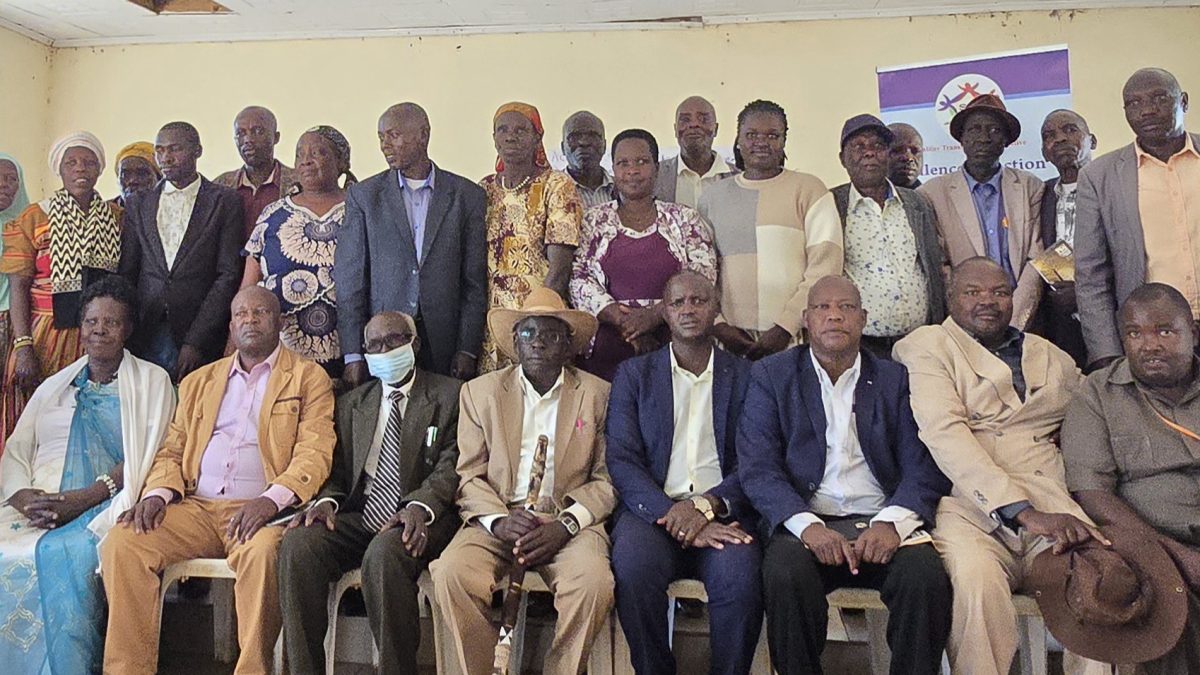
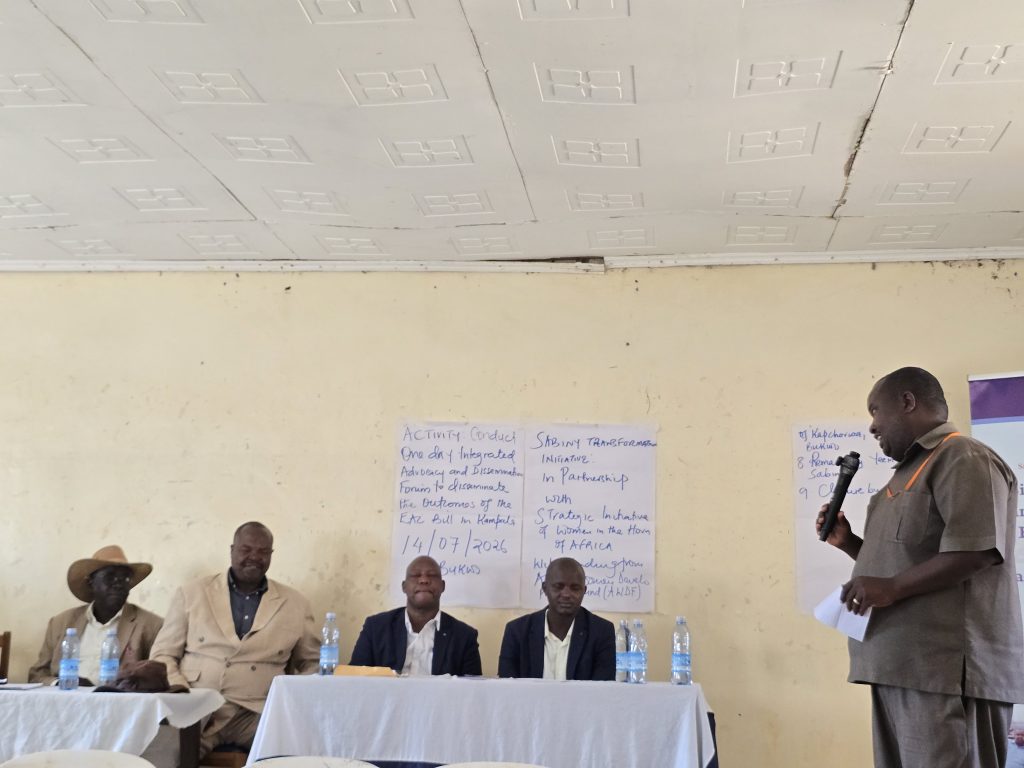
Stakeholders from the Sebei sub-region have called for stronger laws to end cross border female genital Mutilation in Sebei. This was revealed during a one-day advocacy and dissemination forum aimed at strengthening the enforcement of laws against Female Genital Mutilation (FGM) and advancing regional efforts to eliminate the harmful practice.
The forum, organized by the Sabiny Transformation Initiative (STI) with support from the Strategic Initiative for Women in the Horn of Africa (SIHA) Network, disseminated outcomes from the recent public hearing on the East African Community (EAC) Elimination of Female Genital Mutilation Bill, 2025, held in Kampala.The meeting comes at a time when Uganda continues to grapple with cross-border FGM despite the enactment of the Uganda Prohibition of FGM Act, 2010.
In the Sebei sub-region, particularly in the districts of Kapchorwa, Kween and Bukwo, perpetrators continue to exploit the porous Uganda-Kenya border to evade prosecution, highlighting the need for stronger regional cooperation. Festo Majinjach STI’s program coordinator said FGM is still practiced in Sebei Sub- region though in a clandestine manner calling for cross border Sensitization against the vice.
The proposed EAC Elimination of Female Genital Mutilation Bill, 2025 seeks to harmonize efforts among Partner States by providing measures to eliminate FGM, protect women and girls at risk, and strengthen cross-border collaboration in preventing the practice.The Bill recognizes FGM as a harmful practice with no health benefits and a violation of the rights of women and girls.
It further requires Partner States to establish national focal points to coordinate anti-FGM interventions, empowers courts to issue protection orders for girls and women at risk, and obliges governments to provide medical, legal and psychosocial support to survivors.
It is anchored on regional and international human rights instruments, including the East African Community Gender Policy (2018), the Protocol to the African Charter on the Rights of Women in Africa, the African Charter on the Rights and Welfare of the Child, and Sustainable Development Goal 5.3, which calls for the elimination of harmful practices by 2030.
Against this background, STI’s forum aims to bridge the gap between policy development and grassroots implementation by equipping stakeholders with the latest developments from the EAC legislative process and identifying persistent enforcement challenges across the three districts.
Bukwo District Community Development Officer, Ben Sakajja, has revealed that cases of cross-border Female Genital Mutilation (FGM) continue to be reported due to the district’s porous border with Kenya’s West Pokot County. He said the district is working closely with security agencies to strengthen surveillance and enforcement, particularly this year, which is traditionally regarded as a circumcision season, in an effort to prevent the practice.
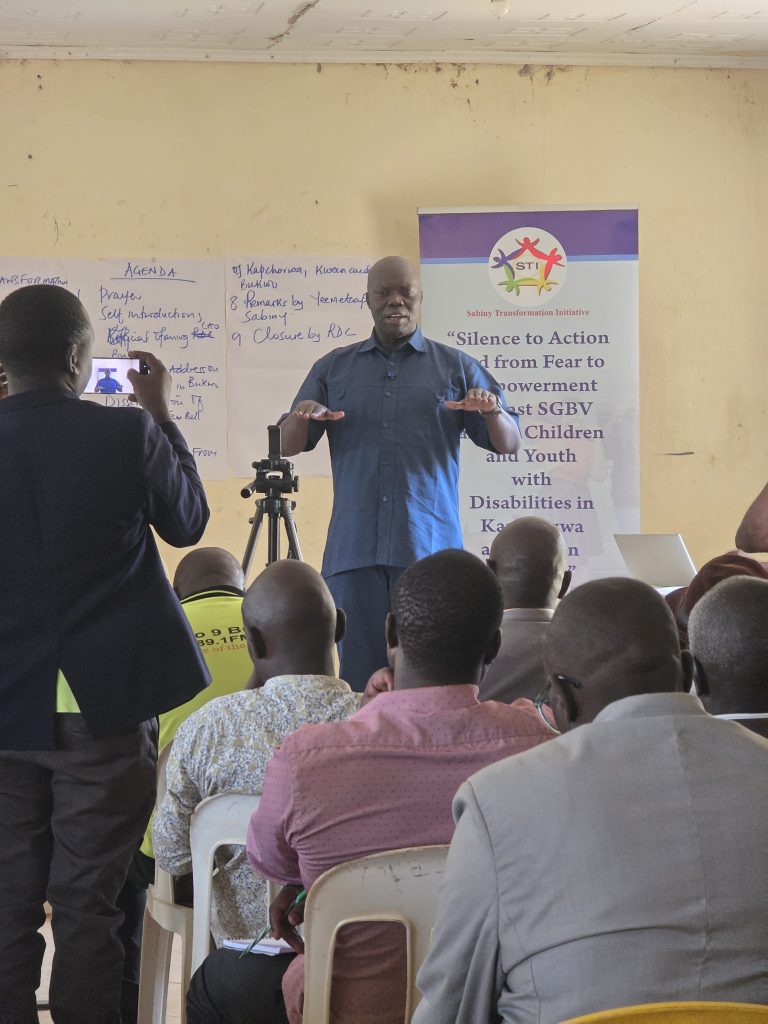
Meanwhile, His Highness Peter Swilkey pointed to challenges in enforcing anti-FGM measures at the local level and emphasized the need for a joint multi-district enforcement roadmap to strengthen implementation of the Uganda Prohibition of FGM Act while aligning local interventions with the proposed regional framework.
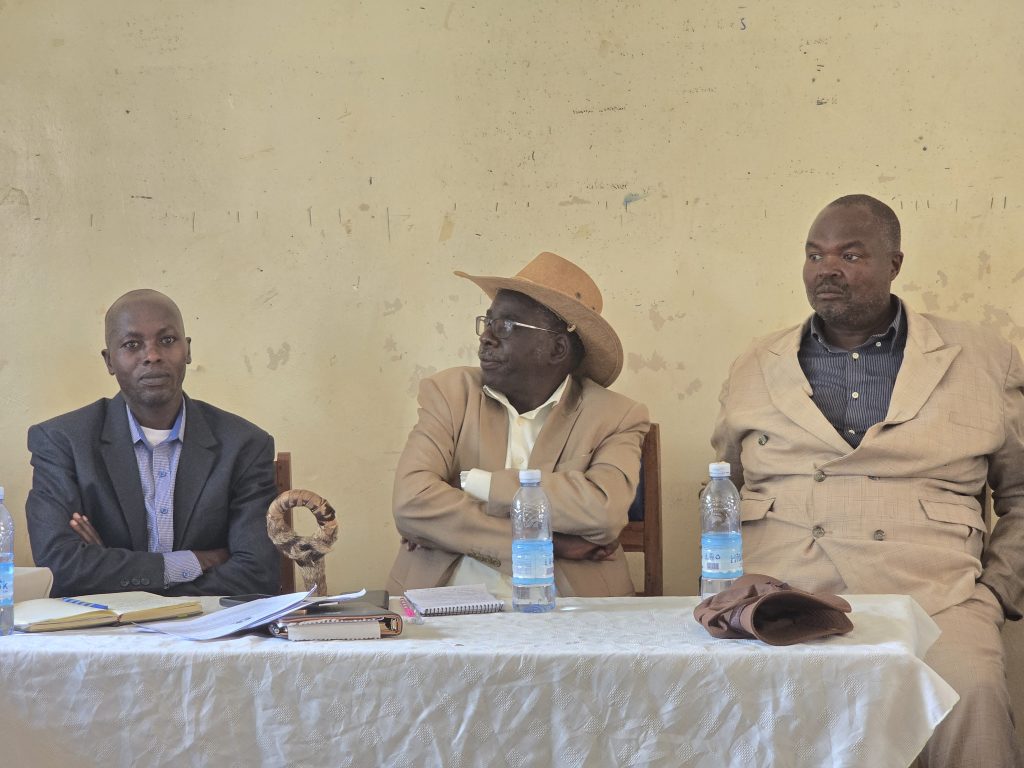
He further called on the government to expedite the gazettement of the Sapiiny Cultural Institution to enable it to fully execute its mandate. He revealed that the institution plans to launch the Sabiny Women Alternative Rite of Passage (SWAROP) as a culturally acceptable alternative to Female Genital Mutilation (FGM), while also empowering individuals who have traditionally depended on the practice for their livelihoods.
According to STI, the forum is expected to strengthen collaboration among government institutions, cultural leaders, law enforcement agencies and civil society organizations, while increasing commitment and accountability in enforcing penalties against FGM. The initiative also supports SIHA Network’s broader mission of promoting human rights, gender justice and stronger legal and policy frameworks for the eradication of FGM across the Horn of Africa.
Organizers acknowledge that challenges such as cultural resistance, logistical constraints and sensitivities surrounding cross-border enforcement remain. However, they say these will be addressed through engagement with progressive cultural leaders, improved coordination among stakeholders and sustained dialogue centred on human rights, public health and existing legal obligations.
By translating regional policy commitments into local action, the forum is expected to reinforce the protection of women and girls and strengthen the collective effort to end Female Genital Mutilation in the Sebei sub-region and across the East African Community.